

Blog
Are Pest Control Visits Discreet? What to Expect
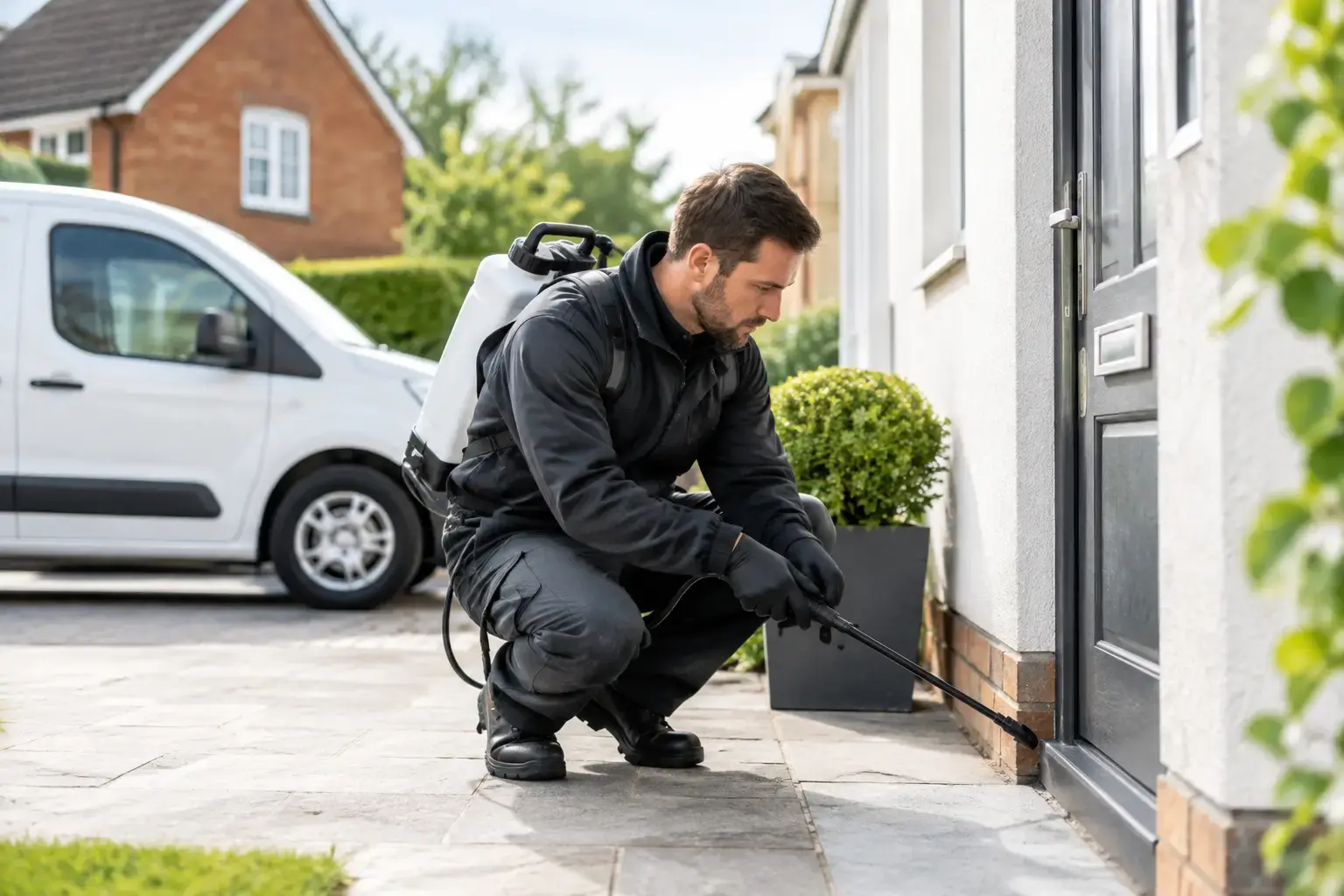
A pest problem is stressful enough without worrying what the neighbours, tenants, customers or staff might think. So, are pest control visits discreet? With a professional provider, they should be. Discretion starts before the technician arrives and continues through treatment, monitoring and follow-up advice.
For many customers, privacy is not a preference. It is essential. A homeowner may not want a visible pest control vehicle outside their property. A restaurant, office, warehouse or managed block needs treatment completed without causing alarm, interrupting trade or damaging confidence. The right approach deals with the pest issue properly while keeping unnecessary attention to a minimum.
Are pest control visits discreet in practice?
A discreet visit is more than arriving quietly. It means planning the job around the property, the pest activity and the people using the building. It also means communicating clearly, treating the issue professionally and leaving the site secure.
At AZ Environmental Service Pest Control, technicians use unmarked electric vans to avoid advertising why they are attending. This is particularly useful in residential streets, busy commercial premises and shared-access properties where a branded vehicle can invite unwanted questions.
The technician can arrange a suitable appointment time, assess the problem on site and explain the treatment in straightforward terms. Where possible, equipment and materials are moved into the property without creating a spectacle. The focus remains on solving the issue, not drawing attention to it.
What discreet pest control looks like at your property
The first visit often involves an inspection, as successful treatment depends on identifying the pest correctly and finding how it is entering, feeding or nesting. A professional survey does not need to disrupt your day. Technicians can work around household routines, trading hours and site access requirements where this is safe and practical.
For a home, this may mean arranging a time when children are at school, working around collection times, or entering through a side gate where suitable. For landlords and managing agents, it can mean coordinating access with tenants while keeping information limited to those who need to know.
For commercial customers, discretion often requires more detailed planning. A technician may attend outside customer-facing hours, use staff-only access routes or carry out inspections before opening. In offices, retail premises and hospitality settings, treatment can often be scheduled to reduce disruption to staff and visitors.
There are limits. Some pest issues require several visits, monitoring points or proofing work that cannot be hidden completely. A significant rat infestation, for example, may need bait stations in controlled positions and repairs to gaps around drains, doors or service entries. A wasp nest removal may require access to a roofline, loft or external wall. Good pest control does not pretend these jobs are invisible. It makes them as unobtrusive as possible without compromising safety or results.
Confidential communication matters too
Discretion is not only about the vehicle on the drive. It also applies to how appointments, reports and updates are handled. You should be able to discuss the problem without being passed between call centres or given vague answers. A local specialist can agree the best contact method and keep communications clear and relevant.
For businesses, reports may be needed for management, food safety procedures, audits or landlord records. These should document the findings, treatment and recommendations without circulating unnecessary detail. The people responsible for the property need accurate information, while staff and customers do not need to be alarmed by speculation.
For homeowners, the technician should explain any treatment areas, safety precautions and follow-up actions privately. If bait or traps are required, you need to know where they are and how to keep children and pets away. Clear information is part of a discreet service because it prevents confusion, accidental interference and repeated visits caused by an incomplete treatment.
Why an unmarked van is useful
An unmarked van is one of the simplest ways to protect customer privacy. It does not signal pest control to neighbours, passers-by or customers. Electric vehicles also operate quietly, which is helpful for early appointments, residential streets and business sites where noise should be kept to a minimum.
However, the vehicle alone does not make a service discreet. The technician’s conduct matters just as much. They should arrive professionally, avoid discussing the job where others can overhear, and take a practical route in and out of the property. They should also be honest about what treatment involves. A quiet visit is of little value if the underlying pest problem has not been dealt with thoroughly.
Discretion should never reduce treatment quality
Some customers worry that asking for a discreet service means a quicker, less effective treatment. It should not. Proper pest control follows the evidence: signs of activity, harbourage points, entry routes, food sources and the pest’s behaviour.
A technician may need to inspect lofts, kitchens, storage rooms, bin areas, roof voids, drains or external boundaries. They may recommend proofing as well as treatment, because killing visible pests without closing entry points often leads to the same problem returning. In commercial environments, monitoring systems and routine inspections may be the most discreet option because they identify early activity before it becomes a visible infestation.
Environmentally responsible pest management also supports discretion. Targeted treatment, careful placement and wildlife-conscious methods reduce unnecessary use of products and avoid creating avoidable risks around the property. The aim is controlled, effective action based on the actual problem, not a one-size-fits-all response.
When to be open with others
Privacy is sensible, but there are occasions when other people must be informed. If a treatment affects a shared building, relevant occupiers or the property manager may need instructions. If you run a food business, staff with responsibility for cleaning, stock and safety must understand any required controls. Where tenants are affected, landlords have responsibilities to address conditions that contribute to pest activity.
This does not mean broadcasting the problem. It means giving the right people the information they need to keep the premises safe and support the treatment. A professional technician can help identify who needs to know and what practical steps are required.
For example, a mouse issue in a communal block may require several flats to secure food, report sightings and allow access for proofing. Keeping every detail private could allow the infestation to spread. In contrast, a single wasp nest in a detached garden may only require an agreed appointment and sensible precautions around the treatment area.
Questions to ask before booking
Before arranging a visit, ask whether the company uses unmarked vehicles, whether appointments can be scheduled around your routine, and how reports will be issued. If you are a business, ask how they will minimise disruption to customers and staff. If you are a landlord or property manager, ask how tenant communication and access will be managed.
Also ask what happens after the first treatment. Some pests need monitoring or return visits, and a reliable provider will explain this from the outset. A clear treatment plan is more reassuring than a promise that sounds discreet but leaves you uncertain about what comes next.
A pest issue does not need to become public knowledge. Choose a qualified local specialist that respects your privacy, plans the work properly and has the technical capability to resolve the cause of the problem. The best result is simple: your property is protected, your routine is respected, and the pests are gone.