

Blog
Ant Infestation Treatment Options That Work
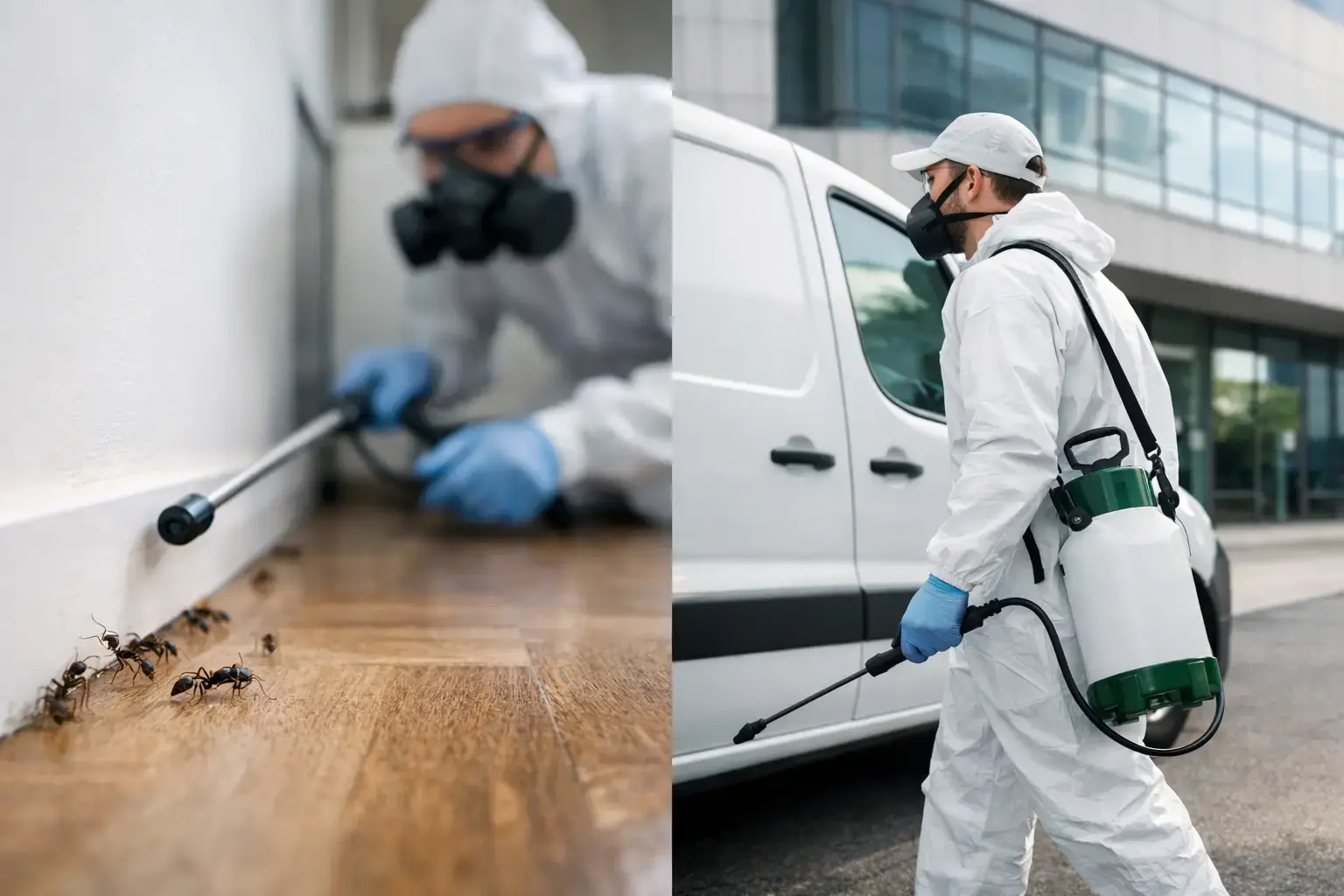
A line of ants crossing a kitchen worktop is rarely just a surface problem. The workers you can see are travelling between food and a nest that may be under paving, inside a wall void, beneath flooring or in the garden. Effective ant infestation treatment options deal with that source, rather than simply removing the ants currently in view.
For homes, rental properties and commercial premises, the right approach depends on the ant species, where activity is taking place, the size of the colony and the reason ants are entering. A treatment that works well for a small summer trail into a kitchen may not be enough for repeated activity around a food business, communal block or property with multiple entry points.
Why Ant Activity Starts and Keeps Returning
In the North West, black garden ants are the species most often found indoors. They usually nest outside in soil, beneath slabs, around foundations or within cracks in masonry, then enter through very small gaps in search of food. Sweet spills, pet food, crumbs, bins and unsealed dry goods can all establish a reliable trail.
Seeing ants indoors does not always mean the nest is inside the building. However, activity in wall cavities, under floors or around internal pipework can indicate a closer nesting site. Flying ants can also be unsettling, particularly when they emerge in large numbers during warm weather. This is usually the winged reproductive stage leaving an established colony, not a separate infestation appearing overnight.
The recurring issue is usually access. If a nest remains active and the route to food is open, ants can return after cleaning, after a change in weather or when a previous surface spray has worn off.
Ant Infestation Treatment Options for Lasting Control
The best treatment is not necessarily the strongest product. It is the method that reaches the colony while controlling activity safely and appropriately around people, pets, food and sensitive areas.
Targeted bait treatment
Baiting is often the most effective option for established ant colonies. A suitable bait is placed along active trails or close to likely entry points. Worker ants collect it and carry it back to the nest, where it can be shared through the colony.
This process is not always instant. You may see activity continue, or briefly increase, while workers feed. That is often a sign that the bait is being accepted. The benefit is that bait targets the colony rather than only the visible workers. Correct placement matters greatly: bait put too far from the trail, contaminated by cleaning products or competing with easily available food may give disappointing results.
Residual insecticide treatment
A professional residual treatment may be used at access points, cracks, gaps around external walls, voids or areas with concentrated activity. It creates a treated surface that controls ants moving across it over a defined period.
This can be useful where ants are entering at clear points or where bait is unsuitable. It is not a replacement for finding and treating the nesting area, and it should never be applied indiscriminately across kitchen surfaces, preparation areas or outdoor spaces. Responsible pest control uses the minimum effective treatment in the right location.
Direct nest treatment
Where the nest can be located, direct treatment can provide a quicker resolution. Garden nests may be found along paving edges, in flower beds, beneath patios or around the base of a property. Internal nests are more complicated, as they may be hidden below floors or within structural voids.
Direct treatment needs to be carefully selected for the location. Disturbing a nest without properly treating it can cause ants to relocate or establish new routes, making the issue more difficult to control.
Exclusion and proofing
Proofing is the part of ant control that prevents a resolved problem becoming a repeat call-out. Typical weaknesses include gaps around pipes and cables, broken mortar, damaged seals around doors, air bricks, cracks at skirting level and poorly fitted thresholds.
Not every opening should be sealed. Ventilation points and drainage features must still function correctly. A professional survey identifies practical proofing measures without creating condensation, ventilation or access problems elsewhere in the property.
Food and habitat management
Cleaning alone will not eliminate an established colony, but it makes treatment far more successful. Food should be stored in sealed containers, crumbs and spills removed promptly, pet feeding areas cleaned after use and waste kept contained. Outdoors, vegetation touching walls, overflowing bins and food debris around patios can make a property more attractive to foraging ants.
For commercial kitchens, staff areas, care settings and food-handling premises, these measures need to form part of routine hygiene and documented pest prevention, not a one-off response.
Why Household Sprays Often Fall Short
An aerosol can quickly kills ants on a worktop or windowsill. That can be useful for immediate relief, but it rarely resolves an infestation by itself. It affects the foragers you can see while the colony, queen and feeding routes remain active.
Spraying close to bait can also reduce its effectiveness by repelling ants from the area before they take it back to the nest. Similarly, repeatedly washing active trails with strong fragranced products may remove the scent trail temporarily but does not close the access point or remove the source.
DIY products can be suitable for very light, isolated activity when used precisely according to the label. They are less reliable when ants repeatedly return, activity is widespread, the nest is inaccessible, or there are children, pets, vulnerable people or food-production standards to consider.
A Professional Ant Treatment Plan
A proper ant control visit starts with identification and inspection. The technician needs to establish where activity is concentrated, whether it is likely to originate indoors or outdoors, what food source is sustaining it and which treatment can be used safely.
The plan may combine baiting, carefully targeted treatment and proofing recommendations. In a home, the priority is usually ending kitchen or living-area activity with minimal disruption. In commercial premises, the plan must also consider hygiene, audit requirements, staff safety, customer areas and the risk of ants affecting stock or reputation.
Monitoring is particularly valuable where activity is intermittent or spread across a larger site. It provides evidence of where ants are moving and whether treatment is working, rather than relying on guesswork. For persistent or difficult cases, this structured approach is what separates lasting control from a short-lived reduction in sightings.
AZ Environmental Service Pest Control provides tailored ant treatments across Stockport and surrounding areas, with discreet attendance and practical advice on preventing further activity. The focus should always be on resolving the source of the problem, not simply treating the symptom.
When It Is Time to Call a Specialist
Professional help is sensible if ants continue appearing after basic hygiene and DIY treatment, if there are large numbers indoors, or if activity is coming from walls, floors, electrical areas or inaccessible voids. Landlords should also act promptly where ants affect tenants or communal areas, as recurring pests can point to maintenance issues requiring attention.
For a business, do not wait for a complaint or inspection issue. Ants in kitchens, retail displays, staff rooms, treatment rooms or customer-facing areas need a documented, controlled response. A qualified technician can assess the risk, apply the appropriate treatment and advise on proofing and monitoring that fit the premises.
The most useful next step is to note where ants are first appearing, what time of day activity is strongest and whether they are travelling towards food, water or an external wall. That information makes it much easier to trace the route, select the right treatment and stop the colony from treating your property as a regular feeding site.